Best Retro & Vintage Headphones: Classic Models Worth Owning
Vintage headphones are a practical way to explore audio history. Learn how to choose, inspect, restore, and compare five classic models before you buy.
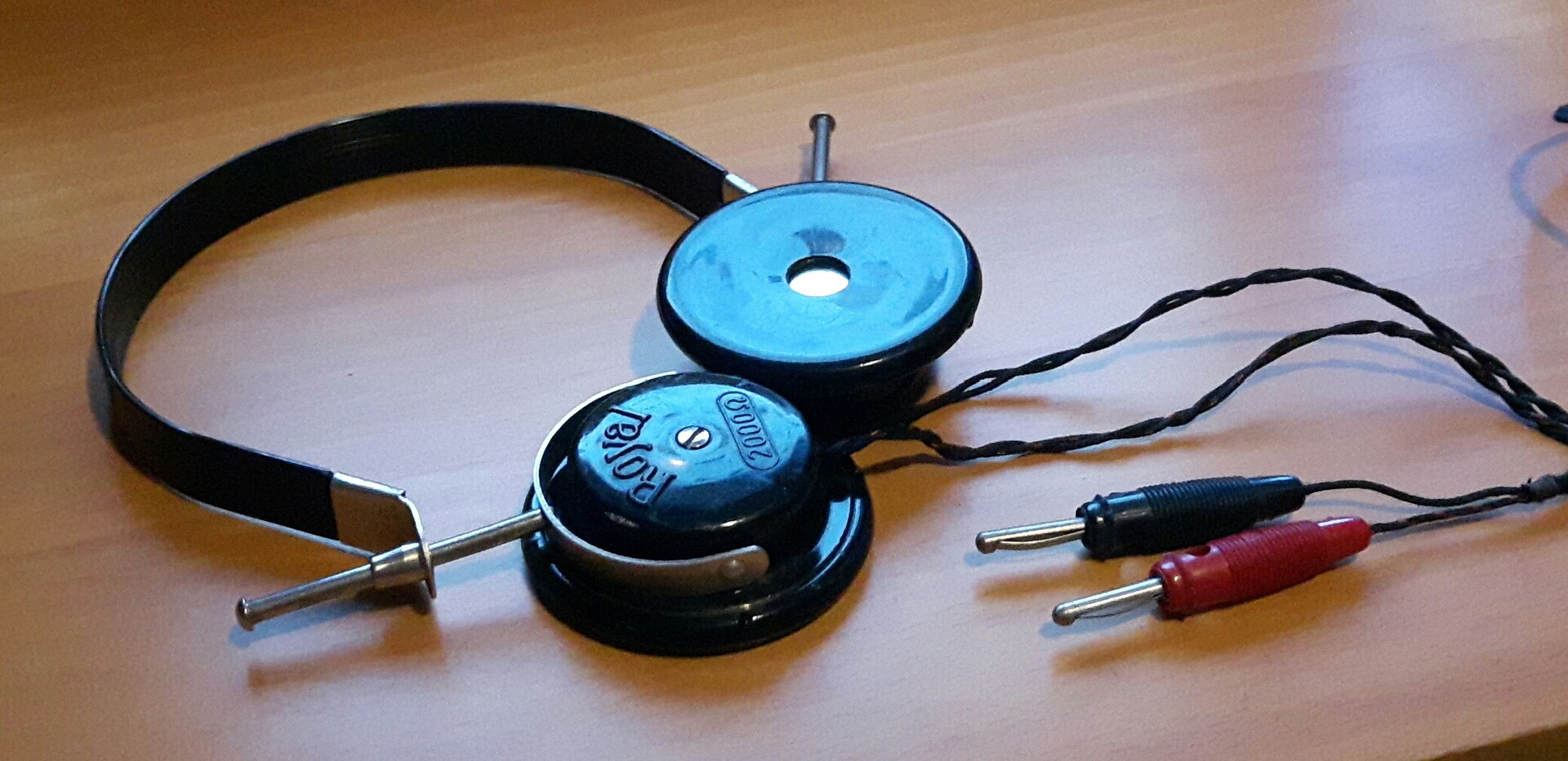
Vintage headphones are more than old audio gear. They are a way to hear how headphone design changed: from early dynamic drivers and metal housings to open-back listening, planar constructions, foldable travel designs, and repairable everyday parts.
This guide is for a first-time buyer who wants to understand the category before spending money. It explains what vintage, retro, and classic mean in practical terms, introduces five historically important models, and gives you a safer way to inspect, restore, and buy an old pair.
Photo: LA2, CC BY-SA 4.0, via Wikimedia Commons; resized for this article.
What Are Vintage Headphones?
There is no universal age threshold that turns a pair of headphones into vintage headphones. In this article, vintage means an original or early-production model made in the period when its design was current. Retro means a newer product that deliberately borrows an older visual language. Classic describes a model that stayed memorable because of its design, technology, influence, or unusually long life.
That means one product can fit more than one category. An original Koss Porta Pro is a vintage example of a classic design. A new Porta Pro is better described as a current classic or a retro-styled headphone. The label helps set expectations, but it does not tell you whether a particular used pair is healthy.
The important question is condition. Ear pads compress, cables develop intermittent faults, headbands lose tension, and previous owners may have changed the drivers or wiring. A vintage headphone can be historically important and still need more work than it is worth. Conversely, a well-kept classic with available replacement parts can be a very practical project.
The words in this section follow ordinary dictionary definitions rather than a formal industry standard. Cambridge Dictionary describes vintage objects as characteristic of a particular period, while Merriam-Webster connects retro with a revival of styles from the past.
The Best Vintage Headphones and Classic Models Worth Owning
“Worth owning” is an editorial judgment, not a universal ranking. These five models are useful starting points because each represents a different part of headphone history and has reliable brand documentation. Used examples can vary widely, so treat the buying notes as important as the historical facts.
| Model | First introduced | Why it matters | Check before buying |
|---|---|---|---|
| Beyerdynamic DT 48 | 1937 | An early dynamic headphone with a long professional life | Version, impedance, plug, and cable condition |
| Sennheiser HD 414 | 1968 | Often described by Sennheiser as the first open-back headphone | Pads, cable, and connector condition |
| Koss Pro/4AA | 1970 | An early full-range, high-fidelity dynamic design | Weight, clamping force, pads, and channel balance |
| Yamaha HP-1 | 1976 | Yamaha’s first headphone and an early Orthodynamic design | Headband, wiring, and whether the diaphragm has been disturbed |
| Koss Porta Pro | 1984 | A classic portable design that is still sold today | Version, folding mechanism, foam, and cable strain relief |
Beyerdynamic DT 48: A Window into Early Dynamic Headphones
Beyerdynamic’s own history places the DT 48 in 1937 and describes it as the company’s first dynamic headphone model. The name DT comes from Dynamic Telephone. The company’s historical account also discusses an aluminium diaphragm, a ring-shaped ferrite magnet, a spring-steel headband, and metal housings.
The DT 48 belongs at the beginning of a vintage headphones list because it connects personal listening with the earlier worlds of engineering, broadcasting, and field reporting. It is not here because every surviving example sounds better than a modern headphone. Its value is that the model shows how long a design can remain useful while changing versions and applications over time.
Different DT 48 examples can have different impedance ratings, plugs, cables, and physical details. Ask the seller for clear photos of the identification plate, both housings, the cable entry, the plug, and the pads. Confirm that both channels work without crackle before treating the pair as a ready-to-use purchase.
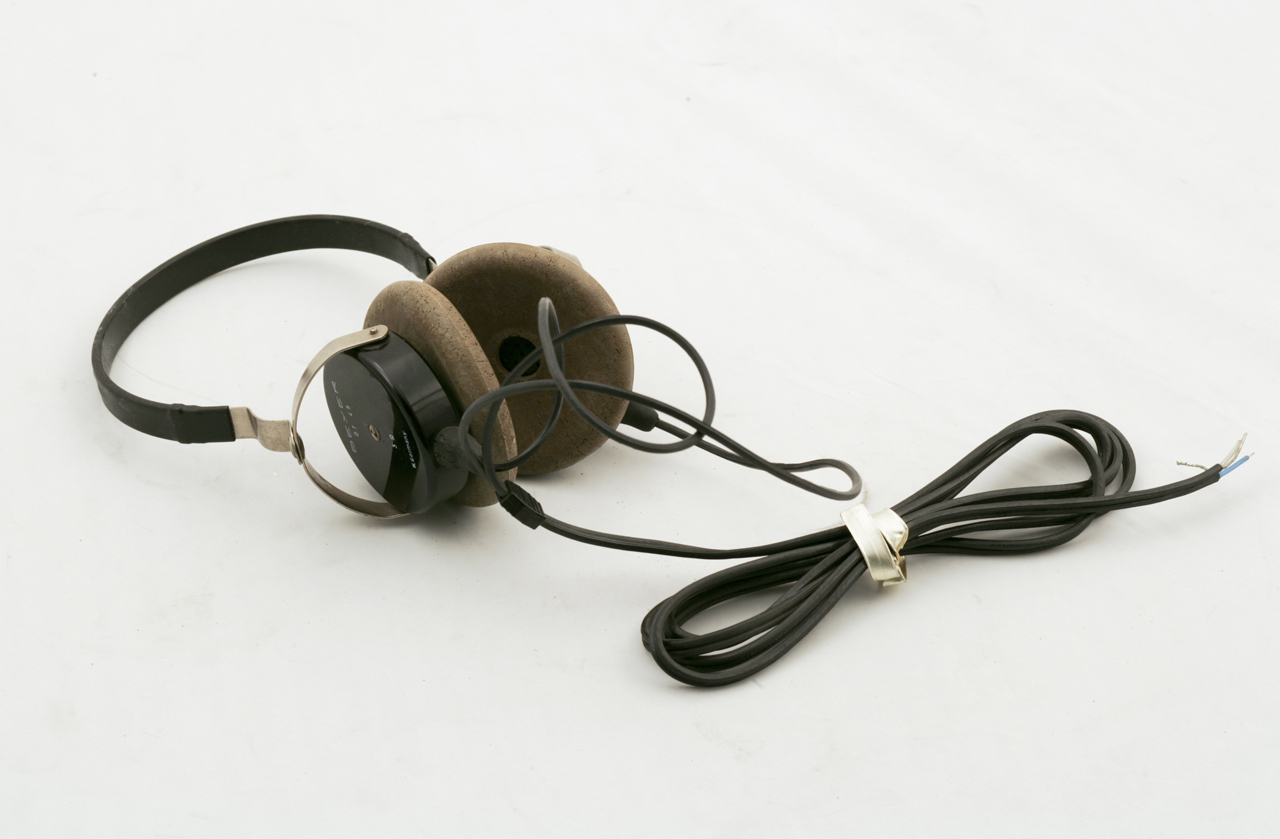
Photo: Peter Aaron / Museo Nazionale della Scienza e della Tecnologia Leonardo da Vinci, CC BY-SA 4.0.
Sennheiser HD 414: Why Open-Back Design Matters
Sennheiser’s company history dates the HD 414 to 1968 and describes it as the world’s first open-back headphone. Its yellow ear pads became part of the model’s visual identity, but the open construction is the more important historical point: it changed how a full-size headphone could present sound and interact with the room.
Sennheiser has also continued to list replacement cables and yellow pads for HD 414 and HD 414 Classic variants. That does not mean every part is always in stock, and it does not make every used example easy to restore. It does show why parts availability matters when you evaluate vintage headphones.
When buying an HD 414, separate the original headphone from later replacement parts. New pads or a replacement cable do not automatically reduce the value of a working pair, but the seller should describe them accurately. Check the foam, cable, connector, headband, and both channels.
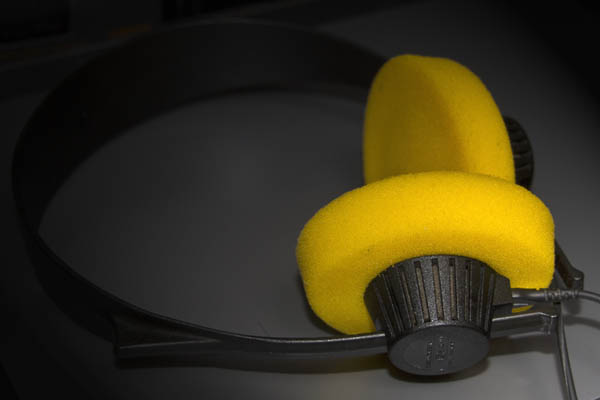
Photo: Yukon1994, CC BY-SA 3.0, via Wikimedia Commons; resized for this article.
Koss Pro/4AA: A Heavy, Historically Interesting Classic
Koss lists the Pro/4AA as a 1970 model and describes it in the company’s history as an early full-range, high-fidelity dynamic headphone with isolation. Koss also sells replacement cushions that are described as fitting new and old production versions.
For a buyer, the practical issue is not only whether a Pro/4AA produces sound. It is whether you can live with its weight and clamping force, whether the cushions are usable, and whether the left and right channels behave consistently. Inspect cracked pads, damaged seams, the cable entry, and the condition of the headband before you compare asking prices.
An official replacement cushion is useful evidence of maintainability, but it is not proof that an old unit has never been opened or modified. Ask about repairs and include the cost of pads, adapters, shipping, and possible cable work in your budget.
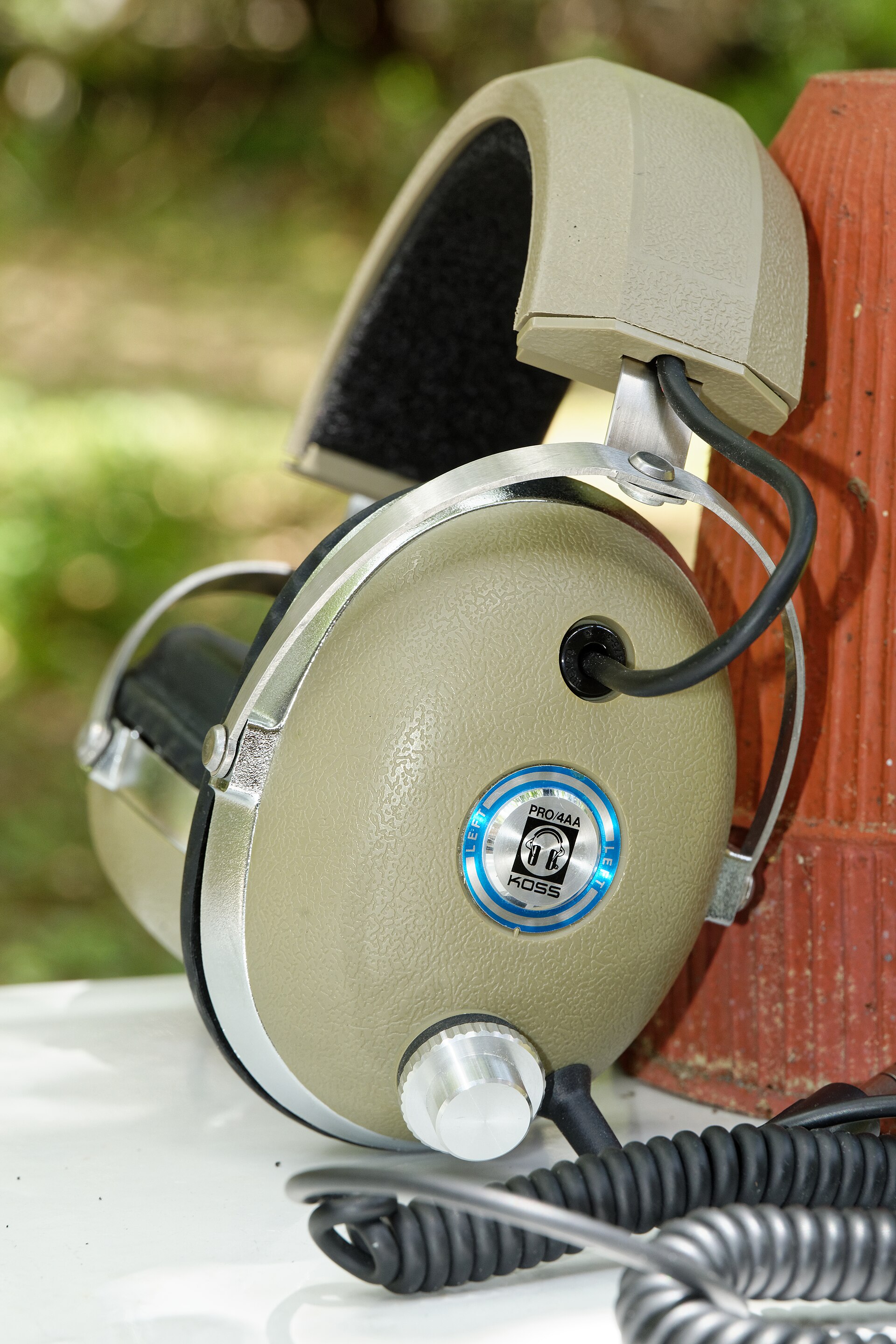
Photo: Jud McCranie (Bubba73), CC BY-SA 4.0, via Wikimedia Commons.
Yamaha HP-1: An Early Planar-Style Direction
Yamaha’s official history dates the HP-1 to 1976 and identifies it as the company’s first headphone. Yamaha describes the Orthodynamic structure as a thin polyester diaphragm with copper conductors positioned within a magnetic structure. The exterior was designed by Italian industrial designer Mario Bellini, with an open headband and fabric suspension strap.
The HP-1 gives a vintage headphones article a useful second technical direction beyond conventional dynamic drivers. It also deserves a more cautious restoration mindset. A pair can produce sound and still have a tired diaphragm, altered damping, worn suspension, or repaired wiring. Do not assume that a working example is an untouched or excellent example.
Because internal parts are delicate and model-specific information matters, diagnose before opening the cups. Photograph the exterior, headband, cable, and connectors first. For a rare HP-1, a specialist who has worked on the model may be a better choice than an improvised cleaning or “diaphragm revival” project.
Koss Porta Pro: A Classic That Never Fully Left
Koss dates the Porta Pro to 1984, and the company still sells a current version. This makes it one of the clearest examples of the difference between vintage headphones and a living classic design. An original 1980s pair is a vintage object; a new pair can retain the same design language without having decades of wear.
The current Koss product page lists specifications such as 60 ohms, a 15–25,000 Hz range, a 3.5 mm plug, and a four-foot double-entry cable. Those details describe the current version, not every historical production run. Do not use current specifications to identify every used listing.
For an older Porta Pro, inspect the folding joints, headband adjustment teeth, foam, cable split, and plug. Intermittent sound near the plug or strain relief is common enough to ask about directly. If you want the design for everyday listening but do not need a collector-original example, a current model may carry less risk.
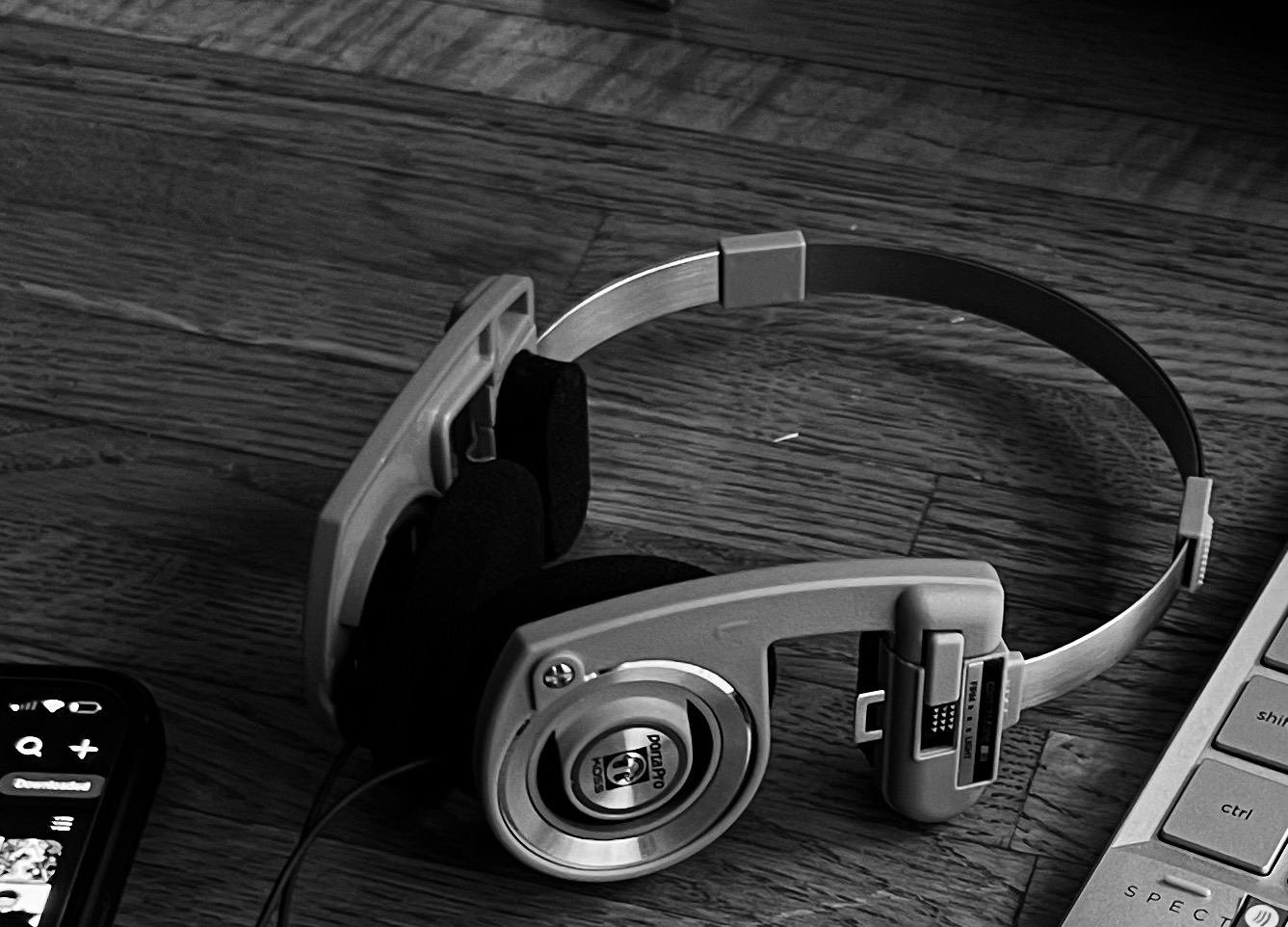
Photo: Cooper55566, CC0, via Wikimedia Commons.
How to Restore Vintage Headphones Safely
The goal of restoring vintage headphones should not be to promise “factory sound.” A more reliable goal is to diagnose first, choose reversible repairs, test after every change, and preserve original parts where possible.
1. Confirm the Exact Model and Version
Photograph the model plate, impedance marking, plug, cable entry, housing, and headband. The same model name can cover several production periods. Version and impedance can change what equipment is suitable and what replacement parts will fit.
2. Document the Headphone Before You Open It
Take photos from several angles. Mark left and right. Record screw lengths, spacer positions, cable routing, and the orientation of pads or retaining rings. This takes a few minutes and can prevent an avoidable reassembly problem.
3. Start with a Low-Volume Diagnostic Test
Check both channels at low volume. Gently move the plug and bend the cable only enough to identify an intermittent connection. Do not begin with high-volume testing on an unknown driver. Listen for imbalance, distortion, rattling, scratching, and changes when the cable moves.
4. Replace External and Soft Parts First
Clean the exterior with an appropriate dry or lightly damp cloth, inspect the pads, and check the headband. Pad size alone is not enough. Inner diameter, thickness, material, mounting lip, and seal all affect fit and sound.
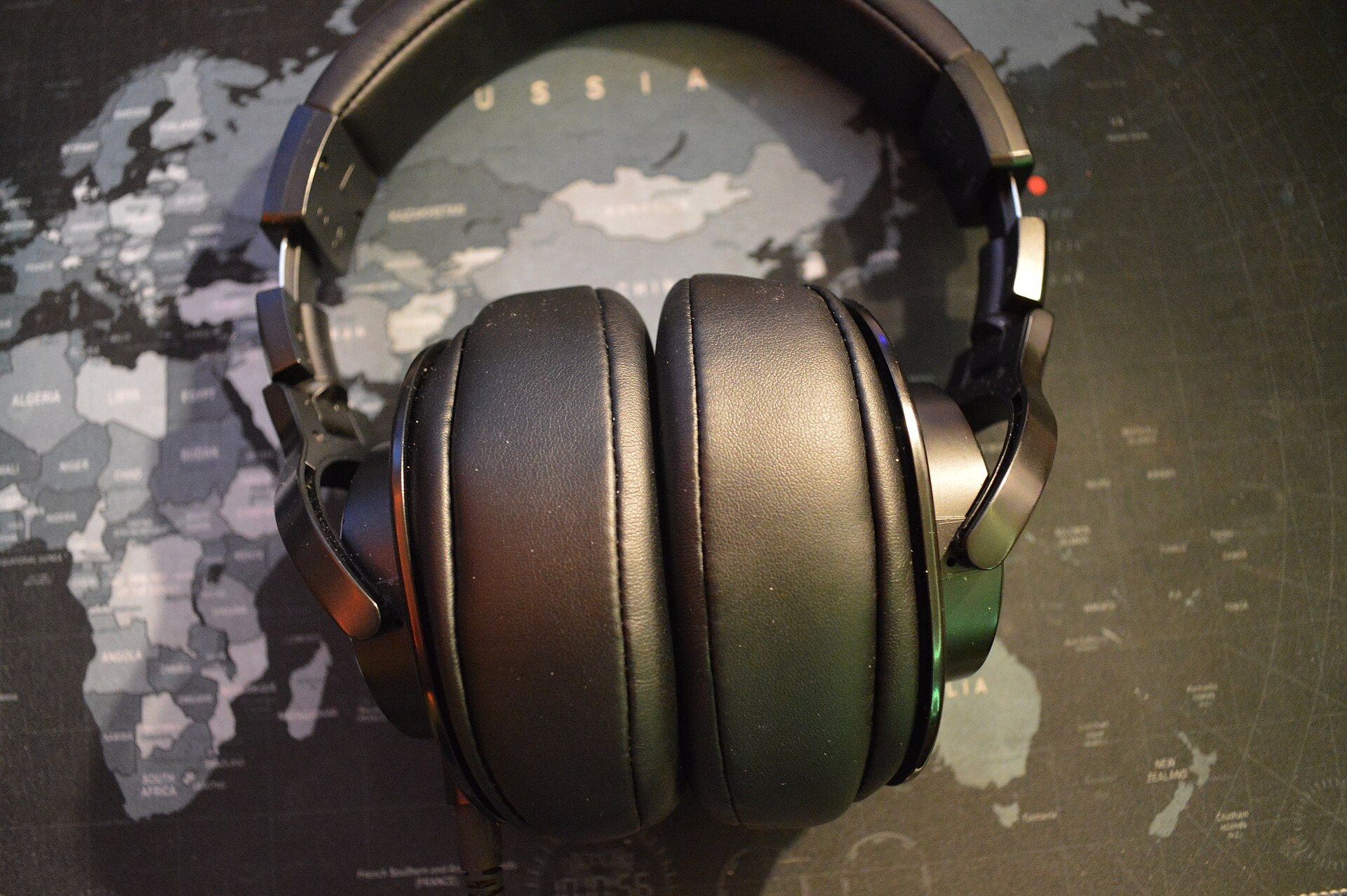
This image shows a modern Audio-Technica ATH-M40x with third-party pads. It demonstrates the structural difference a pad can make; it is not a vintage model or an original factory restoration. Photo: P0lykey, CC0, via Wikimedia Commons.
5. Remember That Earpads Change the Sound
A pad that fits physically may not be acoustically equivalent to the original. Seal, thickness, material, and ear position change the relationship between the driver and the ear. RTINGS’ headphone testing methodology also notes that fit and seal affect frequency response, with poor sealing especially affecting bass.
Treat a pad swap as a tuning and comfort change, not only a cosmetic repair. Keep the original pads if they are safe to store, measure the replacement, and note what changed after the swap.
6. Leave Cable Soldering to Someone Prepared for It
Cable repair can involve removing insulation from enamelled wires, tinning, soldering, and insulating the joint. iFixit’s headphone cable repair guides show why this is more than simply joining two copper wires. Disconnect the headphone from every source, protect the driver, and remember that a soldering iron can burn skin and nearby materials.
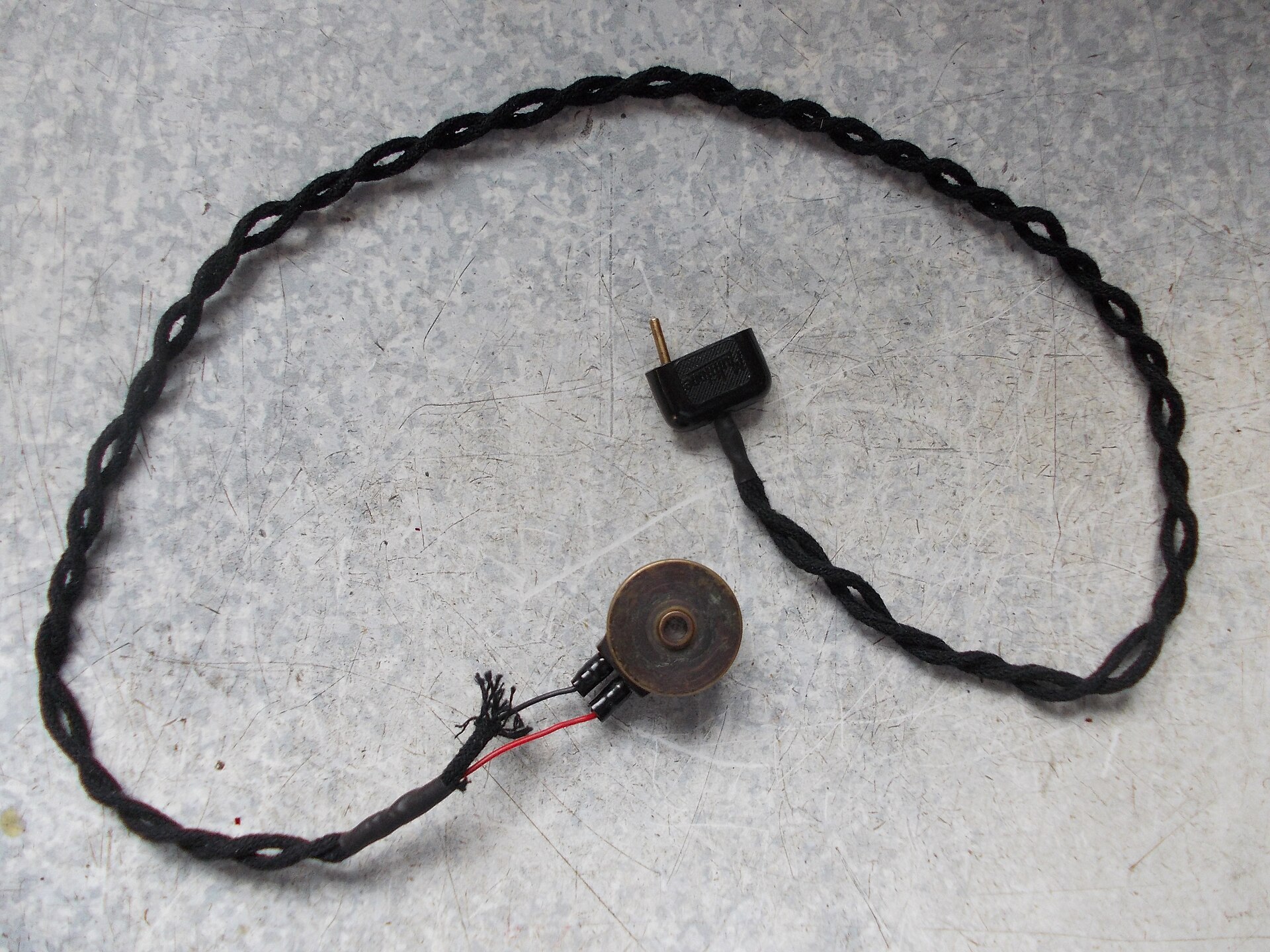
This repair image illustrates cable work and does not represent any of the five models in this article. Photo: tony_duell, CC BY 2.0, via Wikimedia Commons.
7. Avoid Unplanned Driver or Damping Changes
Drivers, diaphragms, damping materials, and internal spacers directly affect the acoustic result. Do not replace or remove them before you understand the fault and have model-specific information. “It makes sound” is not the same as “the driver is healthy.”
8. Reassemble and Test Again
After each repair, test channel balance, contact stability, rattles, distortion, and pad seal at low volume. Keep a short repair log with the date, part, dimensions, and result. That record will help you reverse a change and help the next owner understand the pair.
Where to Buy Vintage Headphones
Online marketplaces can offer a wide choice, but the safest listing is not always the cheapest one. Ask for evidence before you pay:
- a clear model, serial, or impedance label;
- close photos of the pads, headband, cable entry, plug, and both housings;
- confirmation that both channels work;
- a video showing the pair playing without cuts;
- a description of every replaced or repaired part;
- information about smoke, mould, rust, liquid damage, or foam deterioration;
- the return window and payment protection that actually applies to the listing.
eBay’s Money Back Guarantee covers many transactions involving an item not received, damaged or faulty goods, or an item that does not match its description, but eligibility and deadlines apply. Etsy’s Purchase Protection likewise applies only to qualifying orders and situations. Head-Fi Classifieds recommends payment methods with buyer protection and warns against unprotected payments. Local markets and regional platforms can be useful because you may inspect a pair in person, but their return and protection rules vary.
Do not treat “untested” as a synonym for “probably fine.” It means the condition is unknown. Compare recent sold prices rather than only current asking prices, and add pads, cable work, adapters, shipping, tax, and a possible repair to the total cost.
Vintage Headphones vs Modern Headphones
Age does not decide sound quality. Vintage headphones may be attractive because of historical design, a particular construction, the repair process, or the chance to use parts that are still available. Modern headphones may be the better choice when you need a predictable condition, a warranty, easy replacement parts, a microphone, wireless connectivity, or active noise cancellation.
| Consideration | What to verify on vintage headphones | What modern headphones often make easier |
|---|---|---|
| Condition | Driver, cable, plug, pads, and damping wear | New condition and warranty |
| Connection | Old plugs, fixed cables, impedance, and source compatibility | 3.5 mm, USB-C, Bluetooth, or other current options |
| Parts | Whether original or close replacement parts still exist | Current accessories are usually easier to find |
| Sound | Fit, seal, and individual wear can change the result | Individual variation is often smaller |
| Features | Many older models lack microphones, wireless, or ANC | Easier choice by commute, meeting, or gaming use |
For a first purchase, prioritize a verifiable condition, available consumables, and a clear return policy. If your interest is daily listening with a familiar design, a current classic or retro-styled model may be the lower-risk choice. If your interest is history and repair, budget for uncertainty and choose a model you are willing to learn.
A Better Way to Start with Vintage Headphones
The best vintage headphones project is not necessarily the rarest one. Start with a model whose condition you can verify and whose pads, cable, or other wear parts are possible to replace. Record what you see before changing anything, make one repair at a time, and share the evidence with other listeners.
If you are restoring a pair, start a forum thread with the model label, impedance, both ear cups, pads, plug, cable entry, repair history, and the equipment you are using. A real condition report is more useful than a vague claim that an old headphone is “good.”
Vintage headphones are a way into audio history, but they are also real objects with real wear. Buy carefully, repair patiently, and let the condition of the individual pair guide the project.
Sources
- Beyerdynamic: 87 years of headphone expertise
- Sennheiser: Our company history
- Sennheiser HD 414 replacement earpads
- Koss history
- Koss Pro4AA replacement cushion
- Koss Porta Pro
- Yamaha: A brief history of Yamaha headphones
- Cambridge Dictionary: vintage
- Merriam-Webster: retro
- iFixit: How to repair a frayed headphone cable
- iFixit: Audio-Technica ATH-AD500 cable replacement
- RTINGS: Headphones sound quality tests
- RTINGS: Open-back vs closed-back headphones
- eBay Money Back Guarantee
- Etsy Purchase Protection
- Head-Fi Classifieds
Image credits are included next to the locally hosted Wikimedia Commons images. Product names and trademarks are used for identification only and do not imply sponsorship.
Bench notes